
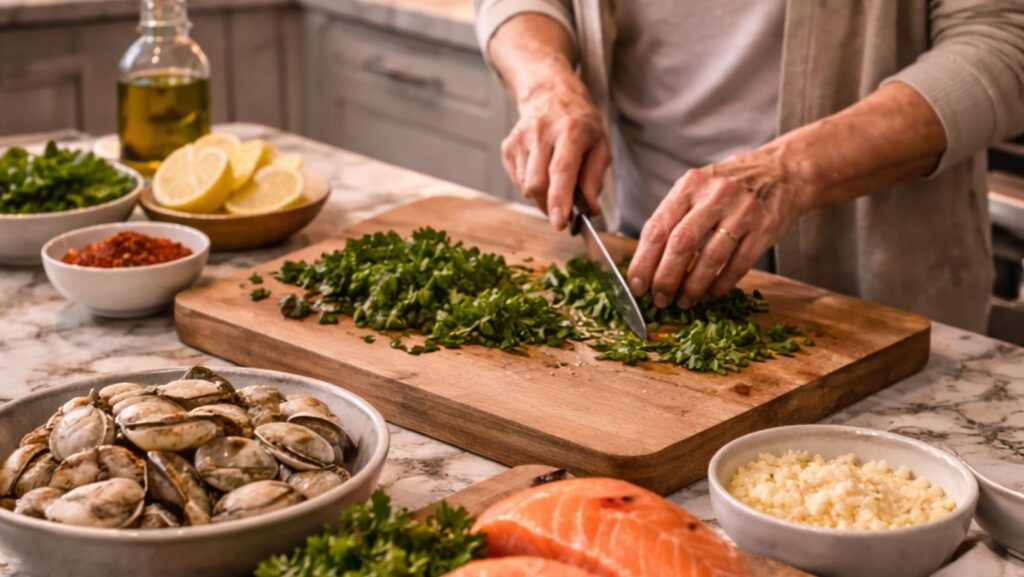
Great seafood does not begin with seasoning; it begins with preparation and environment. A well-organized kitchen allows timing, heat control, and workflow to function smoothly. When preparing delicate proteins, precision matters. Shrimp in particular rewards attention to detail and punishes distraction. Creating a kitchen setup that supports accuracy transforms ordinary cooking into refined execution.
Professional results at home are rarely accidental. They stem from thoughtful design choices: accessible refrigeration, adequate prep space, proper ventilation, and responsive heat sources. When your kitchen supports your movement rather than obstructs it, you can focus entirely on technique. This is especially important when working with delicate, fast-cooking seafood that leaves little margin for error.
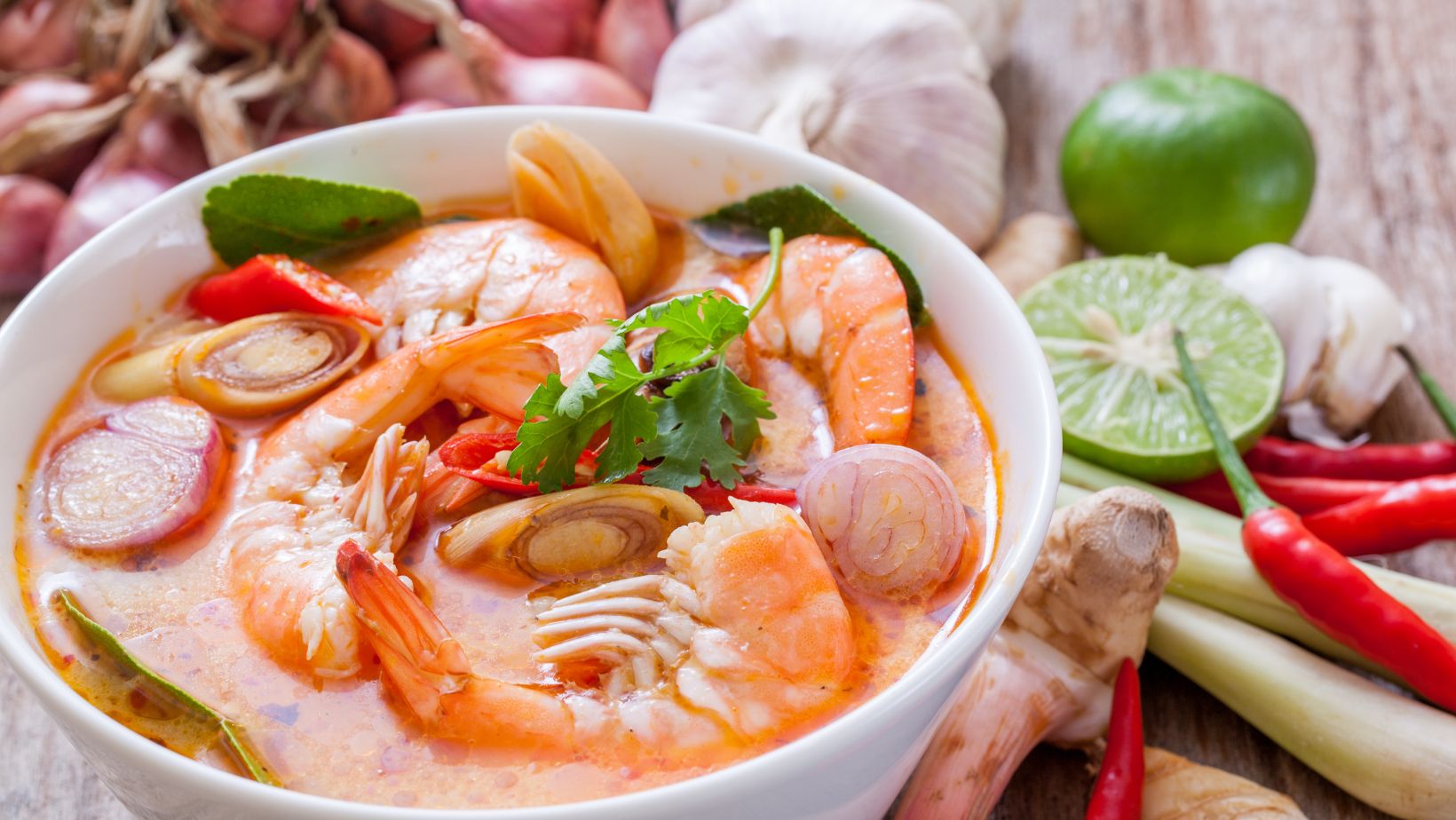
Shrimp is one of the clearest examples of this principle in action. Understanding how to cook shrimp properly begins with respecting timing and temperature. Because it cooks rapidly—often in just minutes—overexposure to heat quickly leads to rubbery texture and moisture loss. A kitchen optimized for efficiency ensures ingredients are prepped, pans are preheated, and tools are within reach before cooking begins. This readiness prevents hesitation and allows seamless execution.
The Importance of Kitchen Workflow
In high-performing kitchens, workflow follows a deliberate pattern: prep, heat, cook, rest, plate. Interruptions to this sequence create inconsistency. Adequate counter space for cleaning and deveining seafood prevents cross-contamination and keeps the cooking zone uncluttered. Installing durable, easy-to-clean surfaces also supports food safety and efficiency.
Storage solutions matter just as much. Fresh seafood should be kept cold until moments before cooking. A well-calibrated refrigerator drawer near the prep station minimizes unnecessary movement. Small design decisions reduce stress and protect ingredient integrity.
Heat Control as a Design Priority
Shrimp responds best to controlled, high heat. Gas ranges with precise flame adjustment or induction cooktops with responsive temperature settings offer advantages over inconsistent burners. Even heat distribution ensures uniform cooking and prevents hotspots that can toughen the exterior before the interior is ready.
Proper cookware selection enhances these benefits. Stainless steel and cast iron retain heat effectively, allowing a quick sear that locks in moisture. Nonstick surfaces can be useful for delicate preparations, but they must still deliver steady heat. The synergy between appliance quality and cookware determines the final texture.
Ventilation and Aroma Management
Seafood cooking produces distinct aromas. Professional-grade ventilation maintains air clarity while allowing high-heat cooking without discomfort. Good airflow encourages confident use of searing techniques, which are essential for achieving caramelization and flavor depth.
Lighting also influences performance. Bright, shadow-free task lighting over the cooktop ensures visual cues are clear. Shrimp signals doneness through color transformation and gentle curling. Proper visibility prevents guesswork and supports precision.
Preparation Techniques That Maximize Flavor
Before cooking begins, shrimp should be rinsed briefly and patted dry. Removing excess moisture promotes browning rather than steaming. Deveining improves presentation and texture. Seasoning should be applied just before cooking to prevent drawing out moisture prematurely.
High heat combined with short cooking time is critical. Typically, shrimp requires two to three minutes per side depending on size. The moment it turns opaque and forms a loose C-shape, it should be removed from heat. Carryover cooking will complete the process without overexposure.
Marinades should be used thoughtfully. Acidic components such as citrus can begin to denature proteins if applied too early. Limiting marination time preserves natural sweetness and firmness.
Equipment That Enhances Professional Results
Digital thermometers, splatter screens, and quality tongs streamline cooking. While shrimp cooks quickly, surface temperature still matters. A properly heated pan ensures immediate searing rather than gradual warming. Testing heat before adding seafood prevents sticking and uneven texture.
Prep bowls for measured ingredients support organized cooking. Mise en place reduces panic and allows full attention to heat control. Professional kitchens rely on structure; home kitchens benefit from the same discipline.
Consistency Through Practice
Mastering technique requires repetition within a supportive environment. The more intuitive your kitchen layout, the easier it becomes to focus on refinement. Learning how to cook effectively involves understanding subtle cues such as firmness, color shift, and aroma development. These sensory indicators become clearer when distractions are minimized.
Efficiency also improves sustainability. Cooking with confidence reduces waste from overcooked or discarded seafood. Precision respects both ingredient value and household budgets.
Bringing Restaurant-Level Confidence Home
High-level seafood preparation is not reserved for commercial kitchens. With intentional design choices and disciplined workflow, home cooks can achieve comparable results. Strategic appliance placement, reliable heat sources, and thoughtful storage all contribute to culinary consistency. When timing, temperature, and organization align, texture remains tender and flavor stays vibrant.
The Broader Impact of Kitchen Design
Investing in kitchen efficiency enhances more than one recipe. It cultivates confidence across all cooking tasks. Precision developed through seafood technique extends to vegetables, meats, and sauces. The discipline required to manage quick-cooking proteins strengthens overall culinary skill.
Ultimately, elevating seafood preparation is about more than flavor. It is about building an environment where technique thrives. A thoughtfully designed kitchen empowers cooks to act decisively, control heat accurately, and respect ingredient integrity. Through preparation, structure, and practice, restaurant-quality results become an achievable standard at home.