
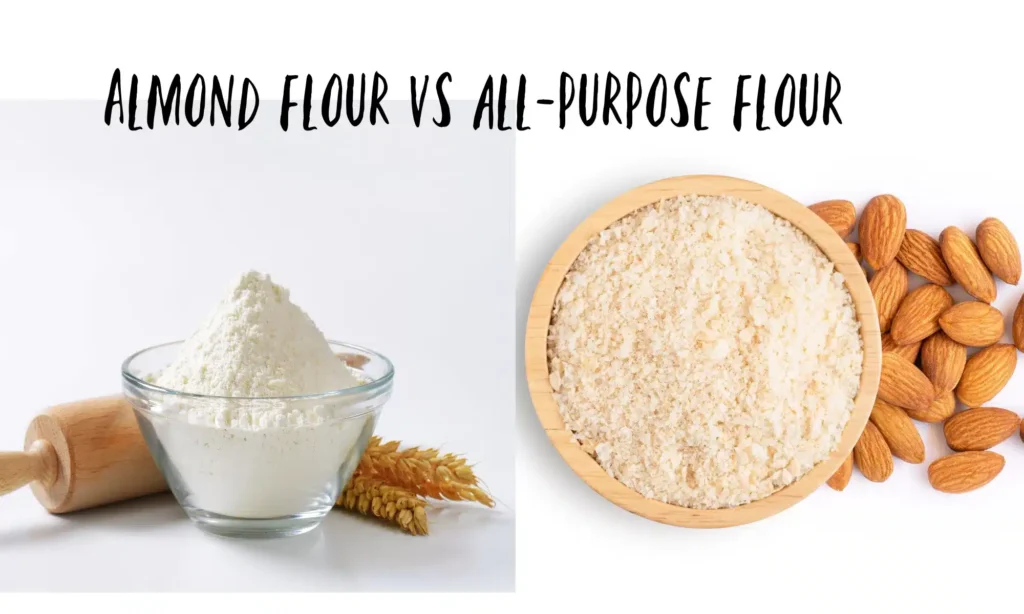
When comparing almond flour vs all purpose flour, it is important to understand that each serves a different purpose in cooking and product development. While both are widely used in baking, they differ in nutrition, texture, and overall functionality.
Choosing the right one depends on your goals, whether that is creating a specific texture, improving nutritional value, or meeting dietary preferences.
How Each Flour Is Made
Almond flour is made from finely ground almonds, typically blanched to remove the skins. This results in a soft, slightly moist flour with a naturally nutty flavor.
All purpose flour, on the other hand, is produced from wheat that has been processed to remove the bran and germ. This creates a refined flour with a smooth texture and neutral taste, making it highly versatile for many recipes.
Nutritional Differences
One of the biggest distinctions in almond flour vs all purpose flour comes down to nutrition.
Almond flour is higher in protein, healthy fats, and fiber. It also contains beneficial nutrients like vitamin E and magnesium, which support overall health.
All purpose flour is lower in fat and protein but much higher in carbohydrates. While it provides energy, it does not offer the same level of micronutrients or fiber as almond flour.
Because of this, almond flour is often used in low-carb, gluten-free, or health-focused products.
Texture and Baking Performance
Texture plays a major role when deciding between almond flour vs all purpose flour.
Almond flour does not contain gluten, which means it cannot provide the same structure and elasticity as wheat flour. As a result, baked goods made with almond flour tend to be denser and more crumbly.
All purpose flour contains gluten, which helps dough rise and creates a light, airy texture. This makes it ideal for bread, pastries, and other baked goods that rely on structure and volume.
Flavor and Moisture
Almond flour has a naturally rich, slightly sweet, and nutty flavor that can enhance certain recipes. It also retains more moisture due to its fat content, which helps create softer baked goods.
All purpose flour has a neutral flavor, allowing other ingredients to stand out. It does not retain moisture in the same way, which can result in a lighter and drier texture depending on the recipe.
Shelf Life and Storage
Another key difference in almond flour vs all purpose flour is shelf life.
Because almond flour contains natural oils, it can spoil more quickly and is best stored in a cool environment or refrigerated to maintain freshness.
All purpose flour has a longer shelf life and can be stored at room temperature for extended periods without significant quality loss.
When to Use Each Flour
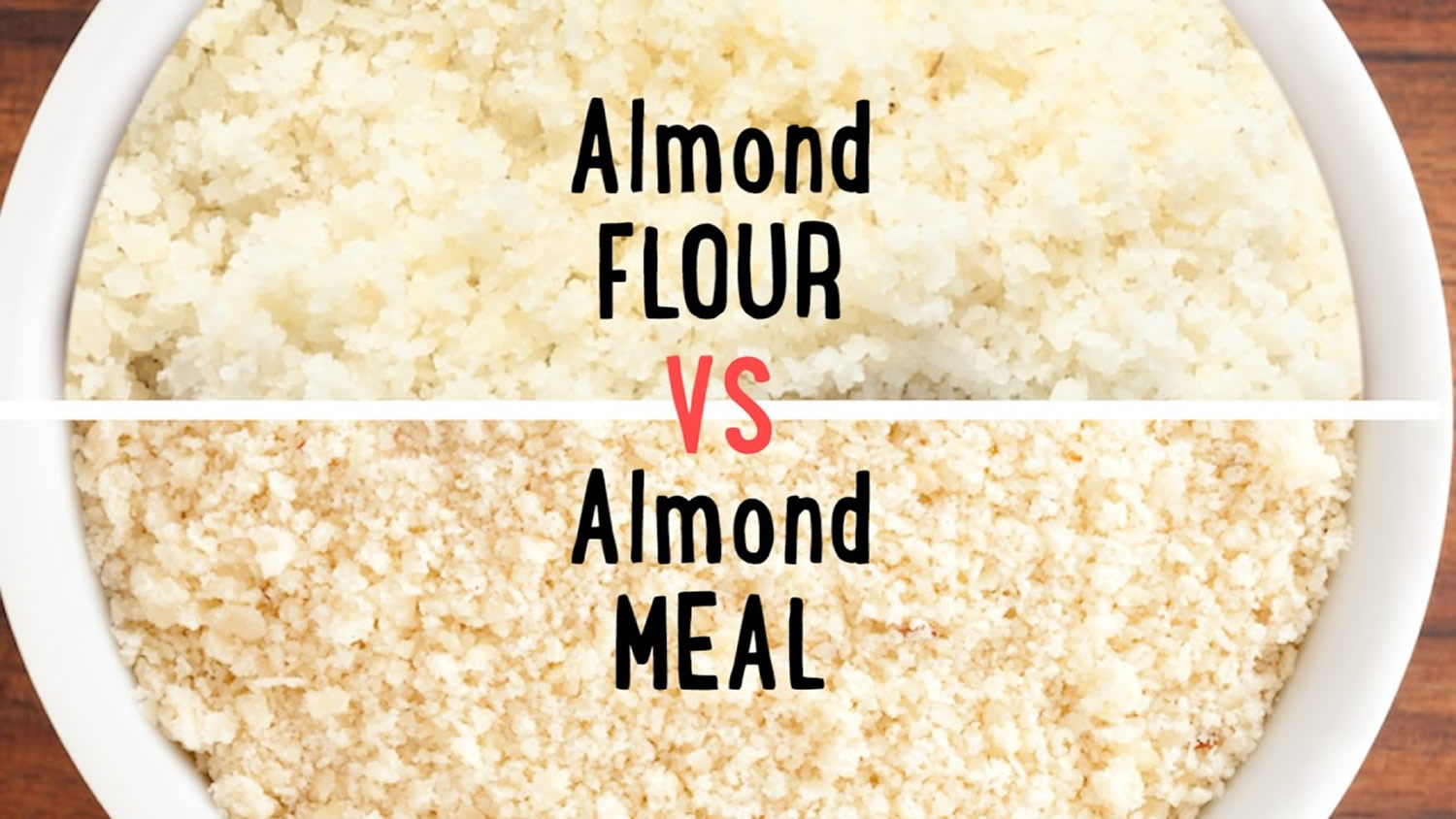
Choosing between almond flour and all purpose flour depends on your specific needs.
Almond flour is a great option if you are looking to:
- Create gluten-free or low-carb products
- Add more protein and healthy fats
- Enhance flavor and moisture in baked goods
All purpose flour is better suited for:
- Recipes that require structure and elasticity
- Bread, pastries, and cakes that need to rise
- General baking where consistency and versatility are important
Choosing the Right Flour for Your Goals
The decision between almond flour vs all purpose flour ultimately comes down to what you want your final product to achieve. Almond flour offers a nutrient-dense, flavorful alternative that works well in specialty diets, while all purpose flour remains a reliable choice for traditional baking.
Understanding how each flour behaves allows you to select the best option for your recipe, ensuring better results and a product that meets your expectations.