
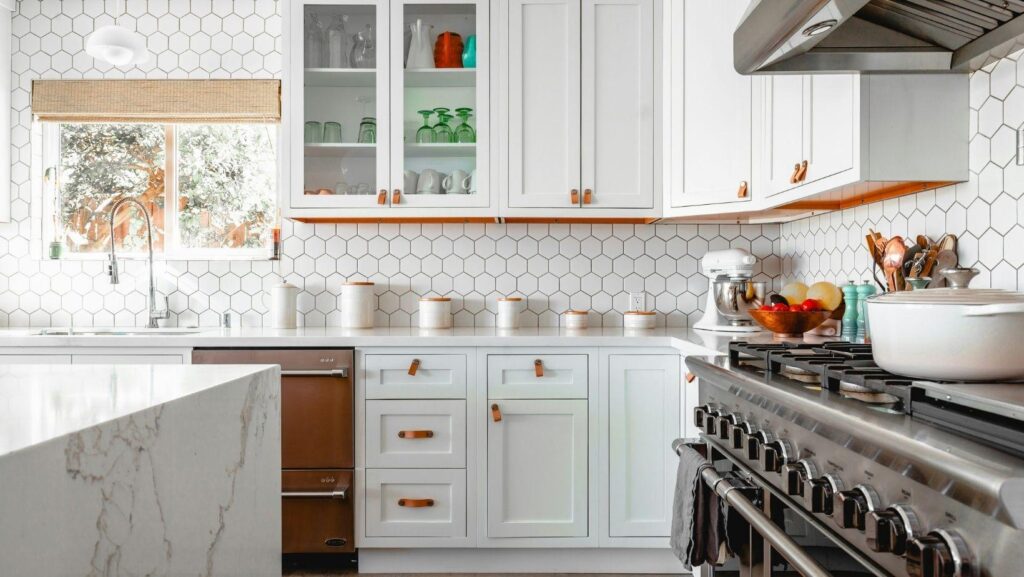
Every time you bake cookies, roast a chicken, or slow-cook a casserole, your oven adds heat to your home. While much of the heat stays inside the appliance, some escapes when you open the oven door. That extra kitchen heat can raise your indoor temperature.
As a result, your air conditioner works harder to maintain the thermostat setting. Managing heat wisely can help your cooling system work more efficiently. Here are a few small habits that can help you manage kitchen heat while supporting AC efficiency:
1. Have an AC Maintenance Routine
The climate of your area can determine how often you should have your HVAC system checked. If you want your cooling system to perform well, especially during hot weather, regular maintenance is non-negotiable.
In semi-arid climates like Salt Lake City, HVAC systems should be maintained twice a year. These regions tend to have more dry, dusty air that quickly clogs indoor filters. The extreme temperature swings also force systems to work at maximum capacity.
If your AC struggles to maintain normal indoor temperature or has weak airflow, calling in a trusted provider of HVAC in Salt Lake City to inspect your system is essential. They can catch small issues before they become larger ones.
2. Choose the Right Time to Cook
During hot weather, try to cook or bake in the early morning or evening when outdoor temperatures are lower. This will significantly reduce the amount of heat your AC unit needs to remove during the hottest part of the day. It also helps to cook multiple dishes at once instead of running the oven several times.
3. Use Your Kitchen Ventilation
Your range hood or exhaust fan can help you manage heat, moisture, smoke, and cooking odors. If your range hood vents outdoors, use it while cooking and for a short period afterward. This helps remove warm air from the kitchen before it spreads through the rest of the home.
4. Don’t Overlook Insulation
Your home’s insulation works to keep unwanted outdoor heat from entering and keep cool air indoors. While proper home insulation will not eliminate heat from your oven, it can support overall energy efficiency and reduce the workload on your cooling system.
5. Avoid Preheating the Oven Longer Than Necessary
Preheat only for the time your recipe requires. Once the oven reaches the recommended temperature, put the food in rather than keeping the oven running while you prep other ingredients. There’s no need to preheat 15 – 20 minutes before you actually need the oven. That’s extra kitchen heat that gets no cooking done in all that time. Less unnecessary oven runtime means less heat released into the kitchen, and this can reduce the cooling load placed on your AC.
6. Keep the Oven Door Closed
Every time you open your oven door, you allow heat to escape into your kitchen. Rather than opening the oven to check on your dish, use the oven’s viewing window and interior light instead. Be sure to check the oven door seal. If it’s damaged or worn, heat may escape during cooking.
Endnote
By adopting the habits above, you can keep your home’s temperature cool, even when you’re busy in the kitchen. In addition, be sure to schedule regular HVAC maintenance to help your unit run at peak efficiency.